




When Formal Diagnosis Is Out of Reach: Validating Autistic Identity in Women
By Michelle Labine, PhD
April 2025
“We don’t need permission to know who we are.
We need space to be heard, seen, and understood.”
Many Girls and Women are often Overlooked
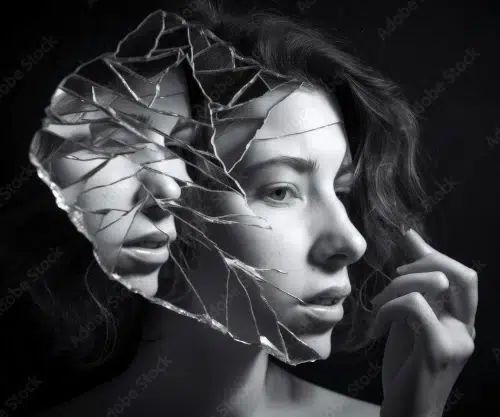
Autism diagnoses have increased in recent decades as awareness, education, and advocacy have expanded. Yet for many women, accessing a formal diagnosis remains difficult and still out of reach. Historically, autism has been understood through a male-centered lens, with diagnostic criteria largely developed from studies of boys. As a result, many girls and women were overlooked, misdiagnosed, or never recognized at all.
Although women often experience the similar core challenges such as sensory sensitivities, executive functioning differences, intense interests, and social communication difficulties, their presentations can look different. Many learn to mask, adapt, and compensate in ways that make their struggles less visible. Instead of being recognized as Autistic, they are frequently diagnosed with anxiety, depression, eating disorders, or mood disorders. These conditions may be part of their experience, but without recognizing the underlying neurodivergence, the full picture remains incomplete.
Many Women Learn they are Autistic Through their Child’s Diagnosis
For many women, the realization they might be autistic does not begin in a clinician’s office. It often emerges through other pathways such as their child’s diagnosis, a story shared by another woman, or encountering information that suddenly resonates with their lifelong experiences. These moments can feel both startling and deeply validating.
When access to formal assessment is limited by cost, lack of knowledgeable clinicians, or fear of dismissal, self-identification becomes an important pathway to understanding. For many women, recognizing themselves within the Autistic community follows years of reflection, research, and trying to make sense of experiences that never quite fit mainstream narratives. Self-identification offers language, context, and connection.
Formal diagnosis can be meaningful and life-changing for some people, especially after decades of confusion or misdiagnosis. However, legitimacy and support should not be reserved only for those with clinical documentation. When systems fail to recognize women’s experiences, many must create their own frameworks for understanding themselves.
Self-Identifying is Valid
Discovering an autistic identity, whether self-recognized or formally diagnosed, can be a powerful turning point. https://link.springer.com/article/10.1007/s40489-023-00361-x offers an explanation for years of feeling different and opens the door to self-compassion, community, and belonging.
Women’s lived experiences must be centered if we want a fuller and more accurate understanding of autism. Their voices, stories, and insights are reshaping the conversation and challenging outdated assumptions about what autism looks like. We do not need permission to know who we are. We need space to be heard, seen, and understood.