


When We Reduce Autism to an “Epidemic” Caused by Tylenol, We Erase Accountability
By Michelle Labine, PhD
September 2025
The term “autism” was first used by Swiss psychiatrist Eugen Bleuler in 1911, but he used it in the context of schizophrenia, to describe a form of withdrawal into one’s inner world.
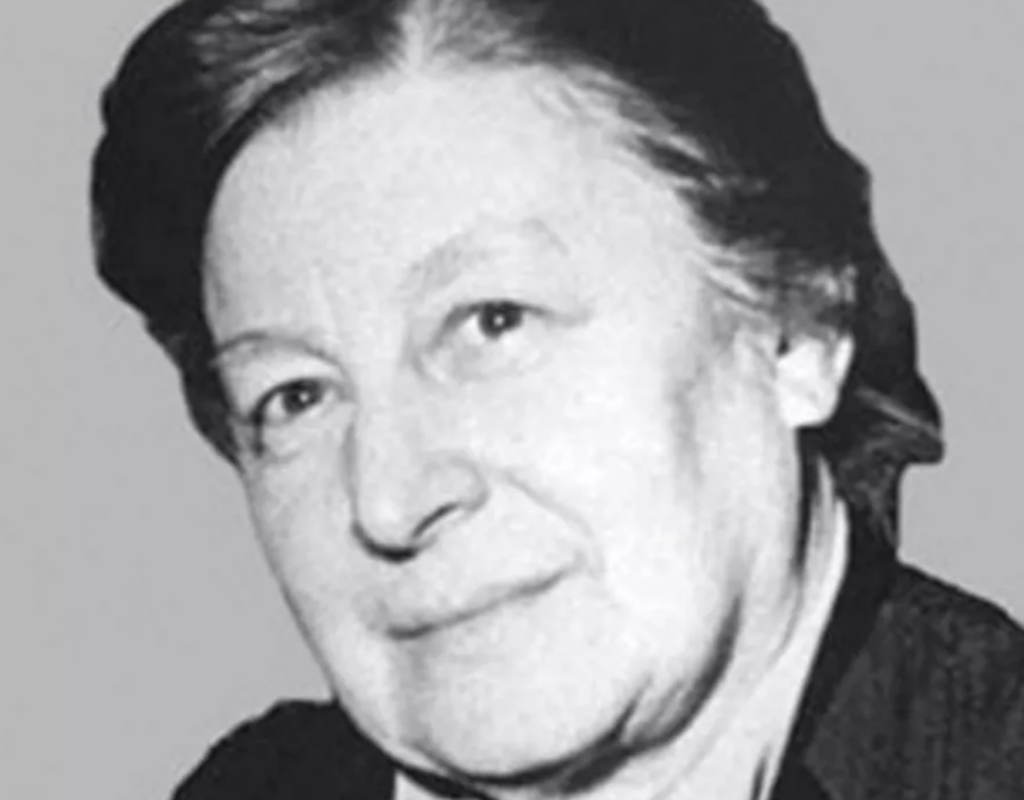
The first descriptions closer to what we now consider autism were published in 1925 by Grunya Sukhareva, a Jewish woman psychiatrist working in the Soviet Union. Her work, published a full thirty years befor Tylenol (acetominophen) was even invented (1955) proves what autistic people already know: autism has always existed.
Autism did not suddenly appear in the mid-twentieth century.
Sukhareva’s writings, first in Russian and later translated into German, offered rich, compassionate portraits of children who displayed what today we would call autistic traits: sensory sensitivities, deep and passionate interests, social differences, and repetitive routines.
But here’s what made her remarkable: she didn’t just catalog “symptoms.” She noticed the children’s gifts of honesty, loyalty, creativity, and capacity for deep thought. She saw them as whole people, not broken puzzles.
A Woman’s Work, Silenced by Power
And yet, her name was buried. Why?
Was it because she was a woman in a male-dominated field? Was it because she was Jewish at a time when antisemitism determined who would be heard? Was it because she worked in the Soviet Union far outside the Western academic circles that decided what counted as “real science”?
Most likely it was all of these. Patriarchy, racism, and geopolitics converged to silence her voice, while Kanner and Asperger, white male psychiatrists in the West, were enshrined in history. And that silencing has echoes. The first person to describe autism was a woman, yet autistic women themselves have historically been rendered invisible in both research and diagnosis. Our voices, like Sukhareva’s have been ignored, dismissed, or erased.
Modernism, Postmodernism, and the Story We Tell About Autism
What makes Sukhareva extraordinary is that she was already thinking outside of deficit models. She was practicing at the margins of psychiatry decades before the social model of disability even had a name. She understood that difficulties didn’t exist in a vacuum they arose in relationship to the world around the children she worked with. She was decades ahead of her time.
I wonder if Sukhareva’s erasure was also about the intellectual climate of her time. The early 20th century was dominated by modernism in psychiatry: the drive to classify, label, and create neat categories to explain human difference. Modernism loved order. It loved hierarchies. It loved to put people into boxes.
That’s why Kanner and Asperger fit so comfortably into the story. Their descriptions of autism became checklists observable deficits that could be studied, pathologized, and “treated.” Their work lined up neatly with modernism’s need for authority and control.
But Sukhareva? She didn’t play that game. In 1925, she was already doing something radical: writing about autistic children as whole people, with strengths as well as struggles. She didn’t flatten them into a diagnosis. She described their honesty, loyalty, sensitivity, creativity. She was practicing at the edges of psychiatry where modernism’s categories didn’t quite reach.
In that way, she was already pointing toward something we now associate with postmodernism, an openness to complexity, a refusal of a single grand narrative, a recognition that truth is multiple and contextual. She was asking, even if she never said it outright: What if autism isn’t a disorder to be solved, but a way of being to be understood?
That question was too much for her time. The modernist establishment wasn’t ready to listen especially not to a Jewish woman in the Soviet Union. So, she was silenced. And the story of autism was handed to men who told it in deficit-based, pathologizing terms that dominated for decades.
And Here’s The Real Tragedy
Every time we double down today on narrow, medical-model explanations like blaming Tylenol, vaccines, or gut bacteria we take a step backward. We move away from the social model that Sukhareva foreshadowed and back into a medical model obsessed with individual deficits. That backward step lets systems off the hook. It avoids the harder questions: What supports are missing? Why are accommodations scarce? Where is the investment in resources autistic people actually need?
When we reduce autism to an “epidemic” caused by Tylenol, we erase accountability.
Why It Matters
Reclaiming Sukhareva’s legacy is an act of justice.
It reminds us that women’s voices, especially those who name truths before the world is ready to hear them, are too often buried. It reminds us that autistic women, like Sukhareva herself continue to fight for visibility in a field that frequently overlooks us. And it shows that from the very beginning autism wasn’t just described in terms of deficit it was described in terms of humanity and strength.
The Call to Remember
History has a way of amplifying certain voices and silencing others. But the truth is stubborn. The first person to describe autism was a Jewish woman working in the Soviet Union, decades before Tylenol, decades before the men who were credited.
Grunya Sukhareva deserves to be remembered, to her place in history.
And the next time someone insists that Tylenol “caused” autism, remember this: by the time acetaminophen hit pharmacy shelves, autism had already been named, described, and understood by a woman whose brilliance the world tried to erase. To keep blaming medicine is to keep moving backward into a narrow medical model that avoids systemic responsibility. The truth is clear: autism needs recognition, resources, and respect.