

Alcohol Use and AuDHD: Untangling the Complexities
By Michelle Labine, PhD
September 2025
For many Autistic, ADHD, and AuDHD folks, alcohol isn’t just a drink. It can feel like a social lubricant that softens sensory overload or provides a temporary escape from the weight of masking. But it can also become a slippery slope where coping turns into dependency, and what once “helped” begins to harm.
My Younger Years: Alcohol as a Disguise
As a late-diagnosed Autistic and ADHD woman, I look back on my teenage and early adult years with a mix of clarity and tenderness. At the time, I didn’t know I was neurodivergent. I just knew that socializing felt like walking onto a stage where everyone else already knew their lines, their cues, and their roles and I was scrambling to keep up.
Alcohol became my script.
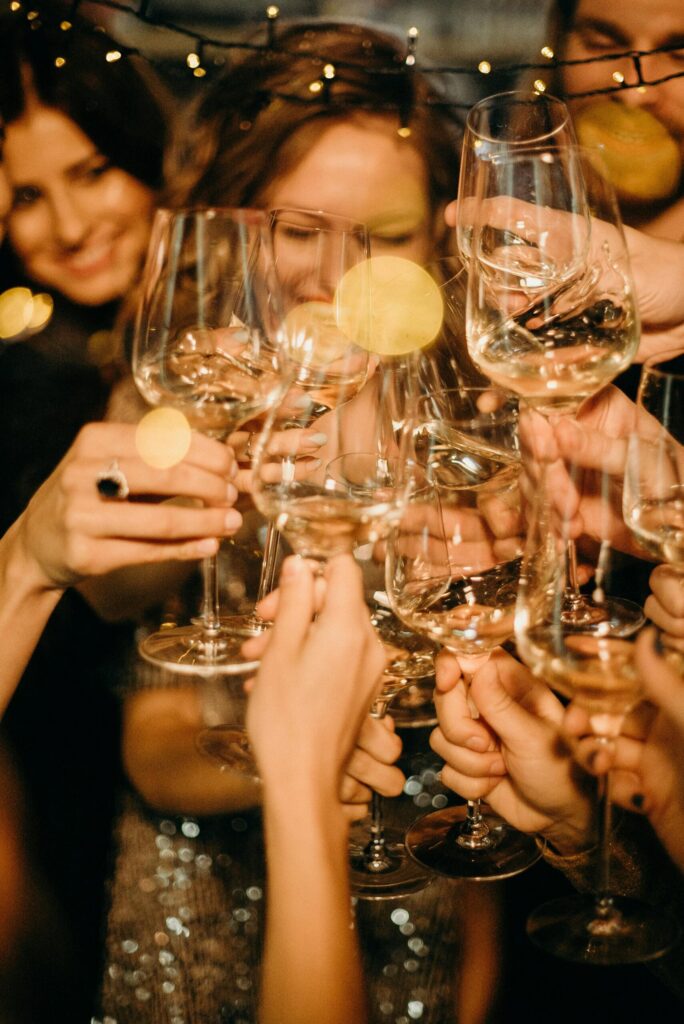
In high school and through my early twenties, binge drinking was almost expected. But for me, it wasn’t just about going along with the crowd. With a drink in my hand, I finally looked like everyone else. With enough drinks in my system, the constant hum of self-monitoring quieted down: Am I saying the right thing? Am I smiling too much or not enough? Am I coming across as weird? Are they noticing I’m exhausted from pretending?
That first sip was a signal to my nervous system: relax, blend, disappear into the rhythm of everyone else’s laughter. I could override my social anxiety and silence the gnawing fear of rejection. I could push past the sensory overwhelm of crowded rooms, loud music, and unfamiliar dynamics. Drinking gave me access to a version of myself that seemed more acceptable, more effortless, more palatable.
But the truth was, it wasn’t the “real me” shining through. It was just another mask one that came with a hangover, regret, and a deeper sense of disconnection.
Looking back now, with the language of AuDHD, I see how much of my drinking was about camouflage. It wasn’t that I loved alcohol, but rather that I loved what it promised: the illusion of belonging. I drank to feel less alien, to soften the edges of loneliness that came from always being the one who didn’t quite fit.
And like many women, I got very good at hiding how much I was hurting. On the outside, I looked like I was having fun, doing what young people do. On the inside, I was drowning out my own needs, punishing my body, and learning to disconnect even further from who I really was.
Why Alcohol Appeals to Many Who are AuDHD
- Masking and Social Ease
Alcohol often quiets self-consciousness. For those of us who feel scrutinized in social spaces, a drink can make it easier to “fit in,” even if only briefly. - Regulating an Overactive or Underactive Nervous System
AuDHD brains are wired for intensity. Some of us feel overstimulated by lights, sounds, and social dynamics. Others feel under-stimulated and crave novelty. Alcohol temporarily dials things up or down, numbing sensory overwhelm or providing a rush where boredom looms. - Soothing Rejection Sensitivity and Anxiety
Rejection Sensitive Dysphoria (RSD) and social anxiety can be heavy companions. Alcohol offers a quick, blunt solution: mute the anxious voice, blur the sting of criticism, dull the fear of being “too much” or “not enough.”
The Risks Beneath the Relief
- Heightened Vulnerability
For AuDHD individuals who already experience difficulties with impulse control, alcohol can lower inhibitions in risky ways. Boundaries blur. Decision-making falters. Regret often follows. - Masking the Mask
Drinking may feel like freedom, but it often deepens the disconnect from authentic self. It can reinforce the pressure to perform socially, making it harder to find spaces where you can just be. - Increased Risk of Misuse
Research shows ADHD is a risk factor for substance use disorders. Combine this with the autistic pull toward routine and repetition, and alcohol can become a dangerously predictable coping mechanism. - Impact on Mental and Physical Health
Alcohol interferes with sleep, executive functioning, and emotional regulation—all areas that many AuDHD people already find challenging. What feels like relief on Friday night may spiral into burnout by Monday morning.
Toward Healthier Alternatives
- Find Your Sensory Soothers
Weighted blankets, noise-cancelling headphones, stimming, music these can ground the nervous system without harmful side effects. - Create Social Safety Nets
Seek out communities where you don’t feel pressured to drink. Spaces where authenticity, not alcohol, is the ticket in. - Practice Gentle Coping Routines
Journaling, movement, creative outlets, or mindful breathing practices can provide regulation and release. - Therapeutic Support
Working with therapists who understand neurodivergence can help unpack both the “why” behind drinking and the grief that often lies beneath it.
Reframing the Story
Looking back, I can see that alcohol in my younger years wasn’t about fun or freedom it was about survival. It was a way of borrowing a mask when I didn’t have the language, tools, or support to simply be myself.
Healing means creating new pathways ones that honour our brains, bodies, and needs without leaning on substances that deplete us. If alcohol has played a role in your Autistic, ADHD, or AuDHD journey, you are not alone. Curiosity and compassion are the starting points for change.